The Overflow File: How to Turn a Local Sewage Map Into a Public Inquiry
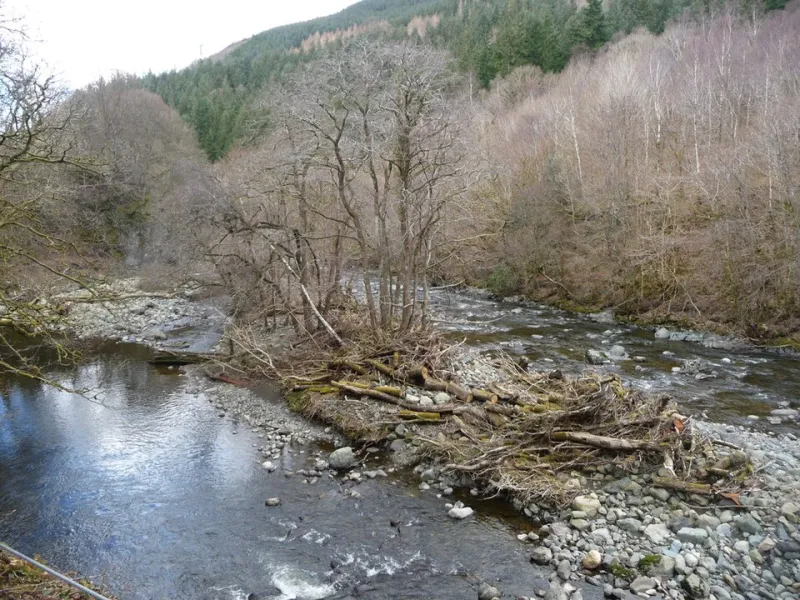
Photo: Christine Johnstone , CC BY-SA 2.0, via Wikimedia Commons
On 8 November 2026, the public record on storm overflows is fuller than ever. It is also easy to misread. A red marker on a map is not, by itself, a scandal. A repeated pattern of spills at the same overflow, across dry and wet weather, attached to an investment promise that has slipped, is. The difference is the work. This guide is about doing that work locally, without waiting for a national campaign to hand you a slogan.
Start with the overflow, not the outrage
Begin with the Environment Agency's storm overflow map and your water company's own near-real-time map. Search by postcode, then note the overflow name, the receiving watercourse, the spill count and the duration. Do not screenshot only the worst day. Record the dates. If the map shows a spill on a dry day, note the nearest rainfall gauge. If it shows several in a week, note them all.
The map is a pointer, not a verdict. Event Duration Monitoring, or EDM, data is published annually by water companies and collated by regulators. Download the spreadsheet for your company and find your site. You want the reporting years, the number of spills, the total hours and any commentary about monitor faults. A monitor that is broken for months is not a defence; it is a question.
Build a baseline before you build a case
One bad year can be weather. Three bad years is a pattern. Compare the most recent complete reporting year with the two before it. Use spill count and spill duration, not just one. A site with fewer spills but much longer durations may be discharging for longer each time. A site with many short spills may be responding to small rainfall events. Both matter, but they point to different questions.
Put the numbers in a simple table: site, receiving water, year, spills, hours, dry-day spills, known investment. Keep the source and the date you accessed it. If your council has a climate or environment scrutiny committee, this table is already more useful than a petition, because it can be tested.
Match rainfall before you accuse
Storm overflows are permitted to operate during heavy rain. That is the legal design, however uncomfortable. The strongest local case is not that a spill happened in a storm. It is that spills happened when they should not have, or far more often than the permit allows. Use Met Office rainfall data or a local weather station to check the 24-hour rainfall before each spill. Ask the company for its own rainfall data for the catchment.
Be precise about what you are alleging. If you say the company dumped sewage in dry weather, have the rainfall figures ready. If you say the overflow is discharging more often than its permit allows, ask for the permit and the spill frequency limit. If you say investment has been delayed, ask for the schedule and the board decision that changed it.
Find the repeat sites and the missing money
Repeat sites are the ones that repay attention. Look for overflows that appear year after year, that serve a bathing water or a chalk stream, or that sit in a catchment where the company has announced a scheme. Cross-reference the site with the company's business plan and its published investment programme. The current five-year price review period has schemes moving from promise to construction. Ask which one covers your overflow, what it will cost, when it starts and when it will be complete.
Then ask what has already been spent. Water companies publish annual reports and regulatory accounts. Councils publish their own capital programmes. If a scheme has been announced three times and not started, that is a story with a paper trail. If a scheme is funded but the overflow still spills, ask whether the scheme is designed to reduce spills at that site or merely to increase capacity elsewhere.
Ask questions that produce paper
A good question names the site, the date and the document. Try these to the water company board:
- How many spills and hours were recorded at [site] in each of the last three reporting years, and how many occurred on days with less than 1mm of rainfall?
- What is the permitted spill frequency for this overflow, and has the company reported an exceedance to the Environment Agency?
- When was the EDM monitor last calibrated, and what period was it out of service?
- What investment is scheduled for this catchment, at what cost, and what is the contractual completion date?
- Which board member is accountable for delivery, and what report has the board received on slippage?
To the Environment Agency: ask for the permit, the enforcement record and any warning letters. To Ofwat: ask how the company's performance commitment on spills is being measured and what happens if it misses. To your councillors: ask the overview and scrutiny committee to invite the company and the regulator in public, and ask the council's lead local flood authority what it knows about the catchment.
Make the record local
The point is not to produce another national lament. It is to make the receipts local and impossible to ignore. Put your table in a public question. Send it to the local paper. Ask the council to write it into a scrutiny report. Ask the water company to correct it if it is wrong, in writing. If the answer is that the data is provisional, ask when it will be final. If the answer is that the overflow is permitted, ask whether the permit is fit for the river it discharges into.
Storm overflow data does not speak for itself. It needs a reader who knows the site, the rainfall and the promise. That reader can be you. The map does not lie, but it only tells the truth when someone turns it into a question.