The Doorbell Nobody Answers: A Street Audit of Holiday Lets
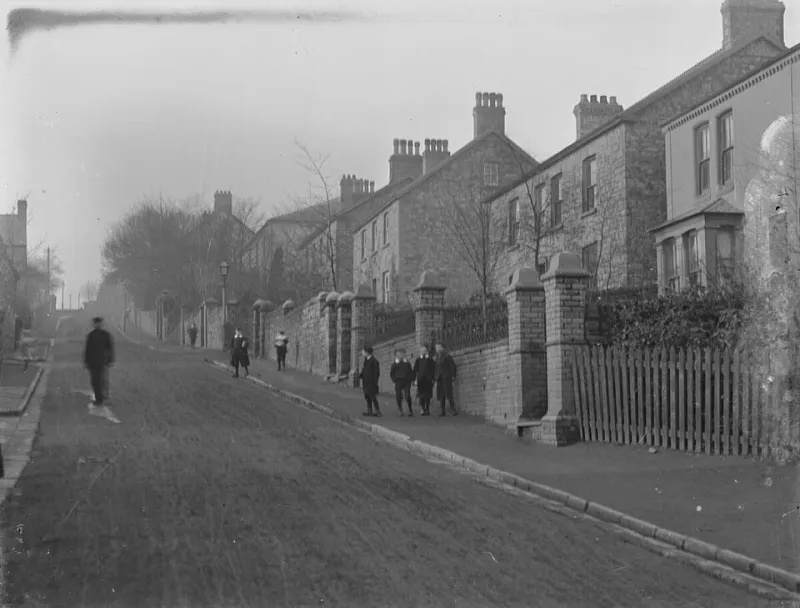
Photo: Unknown, Public domain, via Wikimedia Commons
Key safes are the new street furniture. On streets that were built for families, students and retirees, the doorbell is increasingly answered by a cleaner between bookings. As of 27 November 2026, the short-let economy is no longer a fringe issue for coastal towns and city centres. It is a housing question, a planning question and a council tax question, and it is being decided street by street while councils insist they have no reliable data.
This is not an argument against tourism or against homeowners who let a room. It is an argument for accounting. A residential street cannot be asked to absorb an unlimited number of de facto hotels without a record of what has been lost. The audit below is designed for local campaigners, tenant groups and councillors who want documents rather than anecdotes before the next housing debate.
Read the register you have
In England, the promised mandatory short-let register has been consulted on but is not yet a universal source of truth. In Scotland, licensing is more established. Where you live, ask what exists. Request the council’s short-let register, any licensing list, and any self-catering list used for business rates. If the council says no register exists, ask how it identifies short-term lets for planning enforcement, council tax and business rates purposes. The answer will often reveal that different departments hold different lists.
Ask for aggregate data, not individual taxpayer records. The number of properties known to be short-term lets, the number that have moved from council tax to business rates, and the number of complaints received are all disclosable in principle. If the council refuses, ask for the exemption relied on and publish the refusal alongside the request.
Follow the planning trail
A short-term let can be a material change of use. Ask the planning department for its policy on short-term lets and for any Article 4 direction that removes permitted development rights in the area. Request the enforcement register and the log of complaints about short-term lets. Compare the addresses in the enforcement register with the addresses on the council’s other lists. Gaps are findings.
Ask whether any certificates of lawful use have been issued for short-term letting and how many. Ask how many enforcement notices have been served and how many have been complied with. A council that has received dozens of complaints and issued no notices is not necessarily failing, but it owes the public an explanation. Publish the numbers.
The council tax and business rates trail
The second-homes premium is now part of the local government finance landscape, and councils have been encouraged to use it. Ask how many properties are registered as second homes, how much premium has been billed and collected, and how many short-term lets have been reclassified for business rates. Ask how many self-catering properties receive small business rates relief. The answers will not give you a perfect map, but they will show whether the council is collecting what it is owed.
Do not accept the argument that the premium solves the problem. A tax on empty or second homes is not a substitute for planning control. It may compensate the council for lost council tax, but it does not return a home to a family on the housing register. The audit should treat tax and planning as separate ledgers and compare them.
Housing targets and the homes that disappear
Every conversion from a permanent home to a short-term let removes a unit from the housing supply, even if the building remains occupied by visitors. Request the council’s housing delivery test results, its five-year land supply assessment and the number of households on the housing register. Ask how the council accounts for short-let conversions in its housing trajectory. If the answer is that it does not, ask why.
The next housing debate will be full of numbers about new builds. The missing numbers are the homes that already exist and have been taken out of residential use. A street-level audit can supply them.
Documents to request
Ask for the short-let register or licensing list; the planning enforcement register and complaint log; any Article 4 direction and policy statement; council tax second-home and empty-home data; business rates self-catering records in aggregate; housing delivery test and five-year land supply papers; and the housing register total. Keep the requests narrow and dated.
Questions for the next housing debate
How many short-term lets does the council know about, and how does it know? How many complaints have been received, and how many enforcement notices have been served? How many homes have moved from council tax to business rates? How much premium has been collected? How does the council count short-let conversions in its housing targets? Until those questions are answered in public, the street will keep changing and the council will keep claiming it cannot see it.