Seats, Absences and Scrutiny: The Annual Councillor Accountability Scorecard
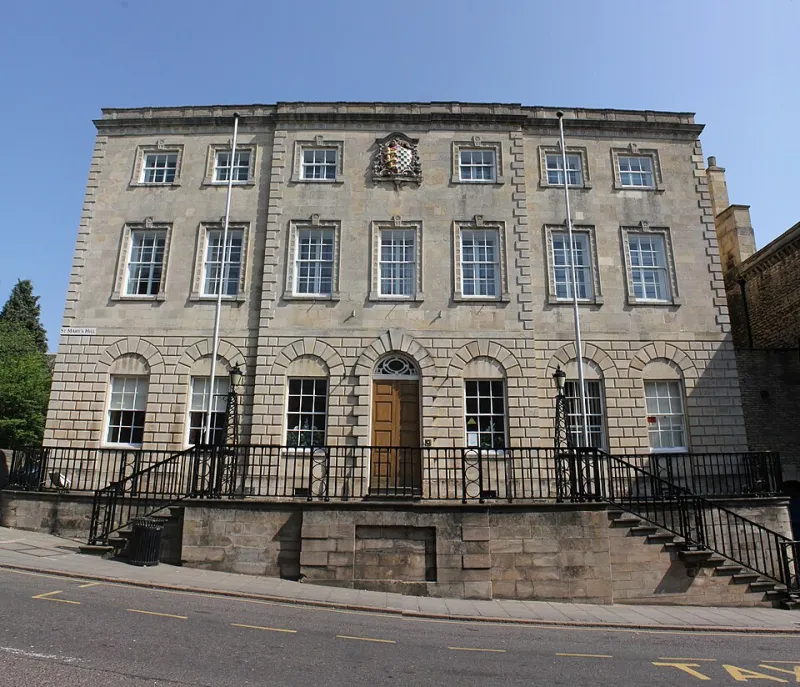
Photo: Jo Turner, CC BY-SA 2.0, via Wikimedia Commons
Local democracy runs on small pieces of paper: attendance registers, committee minutes, work programmes and decision notices. They are published, usually buried, and almost never read. For campaigners, that is an opportunity. A councillor's attendance record and a scrutiny committee's output are not private matters. They are the evidence of whether representative democracy is doing the job it claims to do.
On 17 November 2026, with the 2026/27 municipal year well advanced, ratepayers can build a simple annual scorecard. It does not require a data team. It requires patience, a spreadsheet and a willingness to ask uncomfortable questions in public.
Why attendance is a budget line in disguise
A council meeting is not a talking shop. It is where budgets are approved, contracts are awarded, planning decisions are taken and scrutiny is supposed to happen. When a councillor misses a quarter of meetings, someone else carries the load or the work goes undone. When a scrutiny committee meets rarely and publishes little, the executive is less tested. Attendance is therefore not a minor matter of manners. It is a measure of capacity and accountability.
The scorecard should cover full council, cabinet and scrutiny committees. It should distinguish between scheduled meetings and extraordinary meetings. It should note substitutions where they are allowed. It should not accept excuses at face value, but it should be fair: illness and caring responsibilities are real. The point is to publish the pattern, not to pretend that every absence is equal.
The five-part scorecard
-
Full council attendance. Request the attendance register for the 2026/27 municipal year. Calculate the percentage of scheduled full council meetings attended by each councillor. Publish the figures in a simple table.
-
Cabinet attendance. Cabinet members make executive decisions. Their attendance at cabinet should be recorded separately. If a cabinet member misses meetings without a published reason, ask why.
-
Scrutiny attendance. Scrutiny committees are the council's internal check on the executive. Pull the attendance records for each scrutiny committee and calculate the percentage attended by each member. Flag any councillor who has missed more than a quarter of scheduled meetings.
-
The absentee list. Publish a clear list of councillors who have missed more than 25 per cent of recorded meetings across full council, cabinet and scrutiny. Include the number of meetings missed and the total number scheduled. Offer a right of reply.
-
Scrutiny impact. This is the hardest measure and the most important. Read the scrutiny work programme and the committee minutes. Ask a simple question: did any scrutiny recommendation lead to a change in a cabinet decision, a budget line or a policy? If the answer is no, publish that finding. A scrutiny committee that never changes anything is not scrutiny. It is decoration.
Methodology in brief
Use published minutes and attendance registers as your primary sources. Where records are incomplete, submit a Freedom of Information request. Define the period clearly: 1 May 2026 to 31 October 2026, or the full municipal year to date. Count scheduled meetings only. Note substitutions. Do not compare councillors with different roles as if their workloads were identical; publish the raw figures and let readers judge.
For scrutiny impact, list every recommendation and trace it to a subsequent decision notice or cabinet minute. Record whether it was accepted, rejected or ignored. If the council does not publish decision notices in a searchable format, that is a finding in itself. Publish your methodology alongside the scorecard so the council cannot dismiss it as a stunt.
Template press release
FOR IMMEDIATE RELEASE
[Town] councillors missing one in four meetings, new scorecard shows
A new public scorecard published today by [group] shows that [number] of [council]'s [number] councillors missed more than a quarter of recorded meetings in the 2026/27 municipal year. The scorecard also found that [number] of [number] scrutiny recommendations led to a change in a council decision.
The scorecard is based on published attendance registers and committee minutes. It covers full council, cabinet and scrutiny committees. A right of reply has been offered to every councillor named.
[Spokesperson name], of [group], said: 'Residents deserve to know whether their representatives are turning up and whether scrutiny is doing its job. This is not a personal attack. It is a baseline for accountability.'
The full scorecard is available at [link].
Contact: [name, email, phone]
Publish in your town
The value of a scorecard is repetition. Publish it once and it is a story. Publish it every year and it becomes a record. Councils respond to records. Councillors notice when their attendance is compared with their colleagues'. Scrutiny chairs notice when their recommendations are traced to decisions.
Start with the documents you already have. Ask for the ones you do not. Publish the table, the methodology and the right of reply. Then send it to every candidate, every residents' group and every local news outlet. A democracy that cannot count its own meetings is not being held to account. We Say Enough when attendance and scrutiny are treated as optional extras.