The Decided Mind: A Campaigner’s Audit of Council Consultation

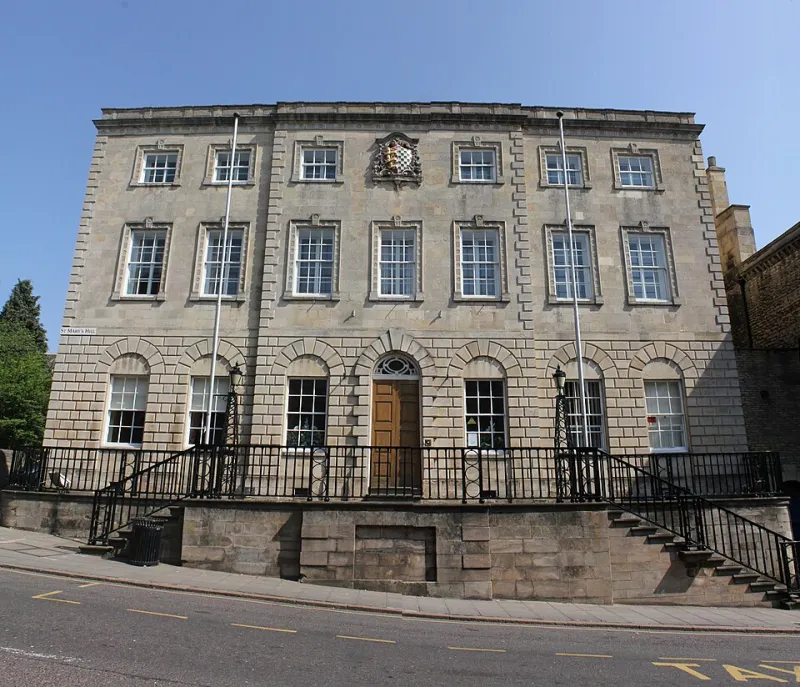
Photo: Virtual-Pano, CC BY-SA 4.0, via Wikimedia Commons
Every council in the country now speaks the language of engagement. There are consultation portals, drop-in sessions, glossy summaries and carefully worded questionnaires. Yet residents repeatedly discover that the decision they were invited to comment on had already been shaped, funded or promised long before the consultation closed. The result is not always illegality. It is something more subtle and more corrosive: the use of consultation as democratic decoration.
This guide is about evidence, not suspicion. It sets out a practical method for auditing a council consultation so that campaigners can move from anecdotal frustration to a documented public scorecard. The test is simple: could the consultation have changed the outcome? If the answer is no, residents deserve to know why.
Begin with the decision, not the questionnaire
Most consultation audits start in the wrong place. They begin with the survey and work forwards. A stronger approach begins with the decision and works backwards.
Identify the cabinet report, delegated decision, planning document or budget paper that followed the consultation. Read its consultation section closely. Look for phrases such as ‘following extensive engagement’, ‘ residents supported the preferred option’ or ‘no alternative approach was proposed’. Then ask a direct question: what evidence is cited, and does it actually support the claim?
Check the council’s forward plan, constitution, scheme of delegation and committee minutes. Establish when the decision was first scheduled, when officers were authorised to proceed, and whether funding or procurement was approved before the consultation closed. A consultation that opens after a contract has been signed is not necessarily fraudulent, but it is rarely a genuine opportunity to change course.
Build the consultation paper trail
Use freedom of information requests, the council’s publication scheme and its contract register to assemble the basic record. The precise wording matters, so request documents rather than summaries.
Ask for:
- the consultation strategy or engagement plan approved before launch;
- contracts, briefs and payments to engagement agencies, polling firms or platform providers;
- the full questionnaire, including any internal drafts and changes to wording;
- response counts by question, not merely the headline number of participants;
- the officer analysis of responses and the summary presented to decision-makers;
- equality impact assessments and any record of how protected groups were reached;
- correspondence between consultation officers and the cabinet member or senior directors.
Some material may be commercially confidential or personal data. That is not a reason to abandon the audit. Aggregate spending, response rates, contract values and decision dates should generally be disclosable. If they are withheld, that refusal is itself a finding worth recording.
Apply the timeline test
Plot the key dates on a single page: consultation launch, consultation close, publication of the officer report, cabinet or committee date, contract award, and any public statements by leading councillors. Then look for sequencing problems.
If the cabinet report was written before the consultation closed, ask what scope remained for responses to alter it. If the preferred option was announced before the engagement began, ask what residents were actually being invited to influence. If the decision was taken within days of the consultation closing, ask how thousands of responses were analysed in that time.
Timeline evidence is powerful because it is difficult to dismiss as opinion. A decision can still be lawful after a short analysis period, but the burden should be on the council to show that the process was meaningful.
Interrogate the questions themselves
A consultation can be technically open and substantively closed. Audit the questionnaire for leading wording, missing options and false choices.
Look for questions that invite residents to rank pre-approved options while offering no way to reject the premise. Check whether ‘none of the above’ was available. Examine whether the council’s preferred option was described in more detail or more favourable language than the alternatives. For budget consultations, ask whether residents were given real choices about spending and taxation, or only asked to choose between cuts the council had already decided to make.
Compare the questionnaire with the final decision. Did any option that residents strongly supported disappear without explanation? Did a proposal absent from the consultation later appear in the decision? Did the council publish a reasoned response to the main objections, or merely a count of responses?
Follow the engagement money
Consultation is now an industry. Councils commission engagement agencies, buy polling software, run citizens’ panels and produce professional videos. None of that is inherently wrong. But spending should be proportionate and transparent.
Check the contract register and payments over £500 for engagement-related suppliers. Compare the spend with the number of responses and the demographic reach of the exercise. A council that pays a large sum to a consultancy and then claims a handful of self-selecting responses constitute broad public support should expect scrutiny.
Ask for the contract brief. Was the agency asked to test public opinion independently, or to help build support for a predetermined policy? The distinction matters. If the brief frames the work as ‘communication support’ rather than research, residents are entitled to know that before they treat the consultation as neutral evidence-gathering.
Publish a consultation scorecard
The final step is to turn the audit into a public document that others can use. Keep it short, evidence-led and fair. A simple scorecard can assess six tests:
- Timeline integrity — was the decision genuinely open when consultation began?
- Question neutrality — could residents reject the council’s preferred option?
- Response transparency — were response rates and analysis published in usable form?
- Evidence of influence — did any response change the proposal, and was that explained?
- Contractor disclosure — was engagement spending and procurement visible?
- Feedback loop — did the council explain what it did with the responses?
Score each test red, amber or green, and attach the documentary evidence. Avoid overclaiming. The purpose is not to prove every consultation is a sham, but to identify when the democratic check has been hollowed out.
Send the scorecard to the relevant overview and scrutiny committee, the cabinet member and the local press. Ask the committee to call the consultation evidence in for review. Ask the council to publish the full response analysis and to explain any material difference between the consultation options and the final decision.
Consultation should not be confetti thrown over a decision already taken. It should be a point at which power is genuinely exposed to argument. Auditing the paper trail is how residents begin to insist on that standard — not as a polite request, but as a democratic demand.