Who Gets Through the Door? The Adult Social Care Gatekeeping Test for Winter 2026/27
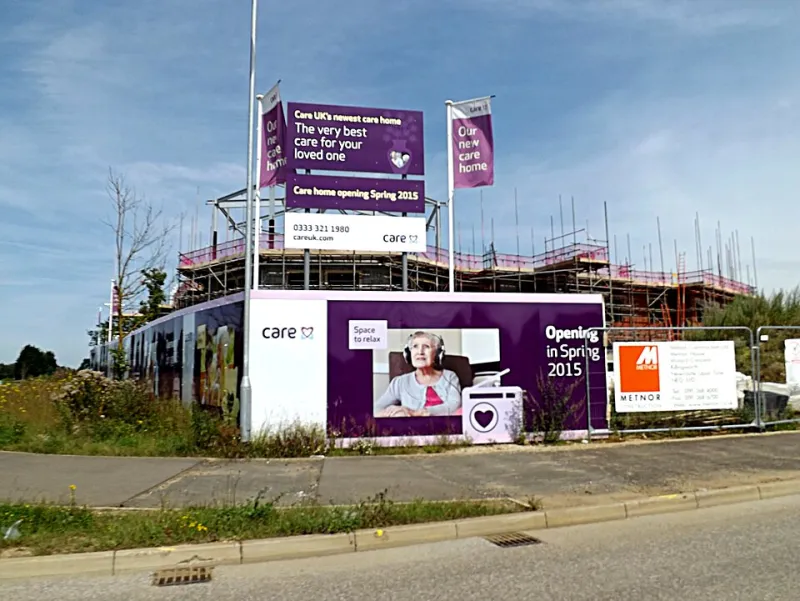
Photo: Adrian Cable, CC BY-SA 2.0, via Wikimedia Commons
Adult social care rationing rarely arrives with a press release. It arrives as a voicemail not returned, an assessment pushed into the new year, a home-care visit cut to fifteen minutes, or a care home contract that quietly shrinks. By the time a system collapses into crisis, the gate has usually been closing for months.
As winter 2026/27 approaches, campaigners need to audit the gate itself. Not simply ask whether the council says it is protecting adult social care, but test who is getting through, how long it takes, what they receive and what the money says. The Care Act 2014 gives councils clear duties. The question is how those duties are being practised in your postcode.
Start with the statutory gate
Adult social care is means-tested, but eligibility for an assessment is not. Councils must assess anyone who appears to have needs for care and support, regardless of their finances. The national eligibility threshold is set in regulations and councils cannot lawfully raise it above that level. They can, however, ration through delay, through a narrow reading of needs, through repeated reviews, through charging and through signposting people away from formal support.
Your audit should therefore separate three questions: who is being assessed, what threshold is being applied, and what happens to people who are found eligible. A council may claim it has not changed its threshold while its assessment numbers fall and its waiting list grows. That is the gap worth testing.
Build the FOI set
Use Freedom of Information Act 2000 requests for aggregate, anonymised data. Ask for a defined period — for example, 1 April 2024 to 31 October 2026 — and request spreadsheets rather than narrative summaries. Narrow requests reduce the risk of a Section 12 cost refusal.
Ask for:
- The number of new adult social care assessment requests received each quarter, and the number of assessments completed.
- Median and longest waiting times from request to assessment, and from assessment to service starting.
- The number of people waiting for an assessment at the end of each quarter, and how many have been waiting more than 28 days, 56 days and 90 days.
- The council’s eligibility threshold in practice, including any internal guidance or triage tools used to prioritise or defer assessments.
- The number of people assessed as having eligible needs who receive no support, or less support than assessed, and the reasons recorded.
- Current home-care fee rates by contract type, and the number of providers who have handed back contracts or exited the market since April 2024.
- Care-home block contract numbers, rates, occupancy and void levels for the current financial year.
Where a council refuses on commercial confidentiality grounds, ask for aggregated rate ranges and contract counts. Where it cites personal data, explain that you seek counts, not identities. If refusal persists, request an internal review and publish the refusal alongside your findings. The refusal is itself accountability evidence.
Cross-check the money
The council’s adult social care accounts tell you what it chose to fund. Its Better Care Fund plan tells you what it promised. Winter pressure spending tells you what it anticipated. Cross-check all three.
Request the 2026/27 Better Care Fund plan, the latest quarterly return, and any winter pressure allocation for adult social care. Ask for budget monitoring reports for adult social care for the last two financial years, and the council’s published adult social care finance return. Compare planned spending on assessment teams, home care and care home placements with actual outturn.
Look for the mismatch. A council may increase the adult social care budget while reducing the number of assessments it completes. It may allocate winter money to hospital discharge while home-care fee rates remain below the local fair cost of care. It may report a balanced budget by holding vacancies in assessment teams — the very teams that open the gate.
Score the gate
Turn the evidence into a public scorecard with five columns: access, wait, eligibility, market and money. Give each a red, amber or green rating against a stated benchmark. For example: red if more than 20 per cent of people wait over 56 days for assessment; red if home-care fee rates are below the council’s own fair cost of care; red if the Better Care Fund plan cannot be reconciled with actual spending.
Publish the scorecard with the raw numbers and the FOI reference. Send it to the health and adult social care scrutiny committee, the director of adult social services and your MP. Ask for a public response before the January budget setting. A scorecard that sits only online is a filing exercise. A scorecard tabled at scrutiny is a political fact.
Make the gate visible
Rationing thrives in technical language. Your job is to translate it. One waiting list is a statistic; a hundred people waiting more than 90 days for an assessment is a public service failing. One below-cost fee rate is a contract line; a provider handing back its home-care contract is a warning that the market is being asked to absorb a cut.
This winter, do not wait for the crisis to make the case. Audit the gate before it closes. Publish what you find. Demand that your council explains who it is choosing to protect — and who it is quietly asking to wait.